
✏️ Sprouts English
English with Teacher Hope
Reception to Year 6. A friendly test, a learning pack made for your child, and real writing on paper, marked from a photo.
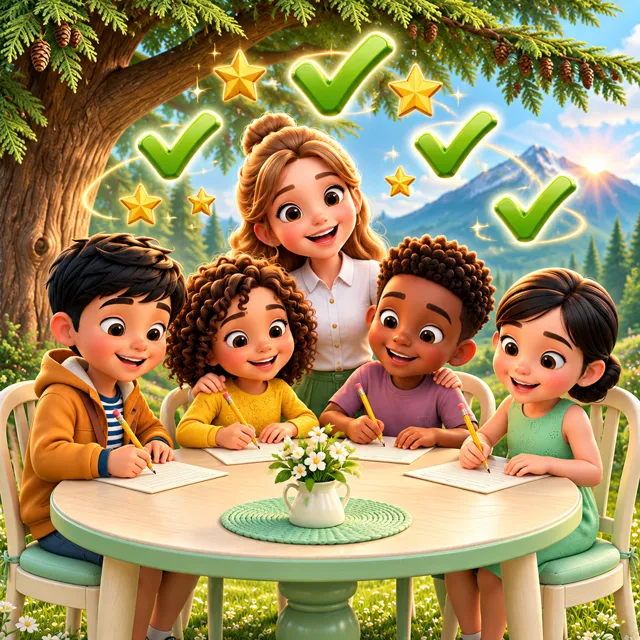 1. Friendly testYour child writes answers on paper. Teacher Hope finds where to start in every topic.
 2. A pack just for themYou choose: fill the gaps first, mix, or only their school year.
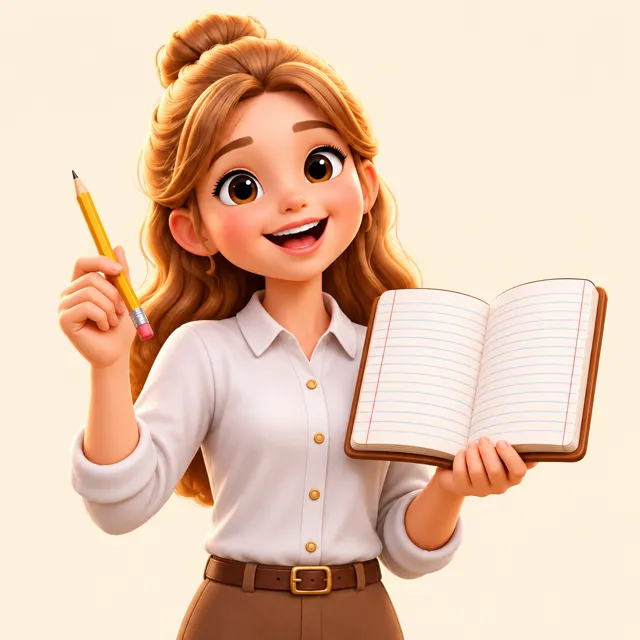 3. Learn and writeTeacher Hope teaches one small step with pictures, then your child writes 5 answers.
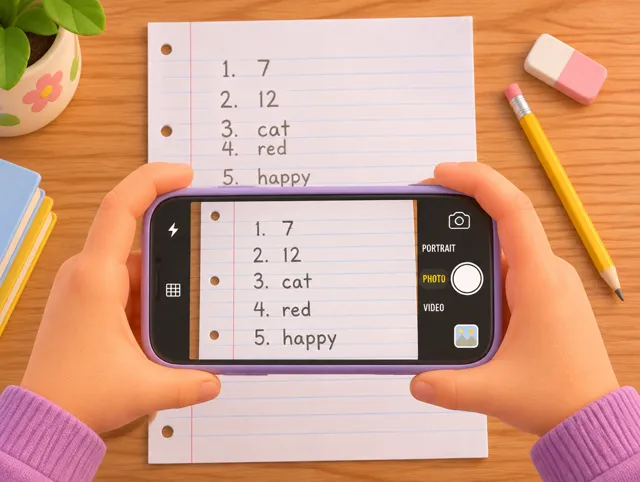 4. Scan and snapScan the page's QR code with a phone and send one photo. Teacher Hope reads the handwriting and marks every answer.
 5. GrowKind feedback on every answer, a star for each lesson and notes for you.
What's in Sprouts English
199 lessons so far, each with teaching, a worked example and two sets of written questions.

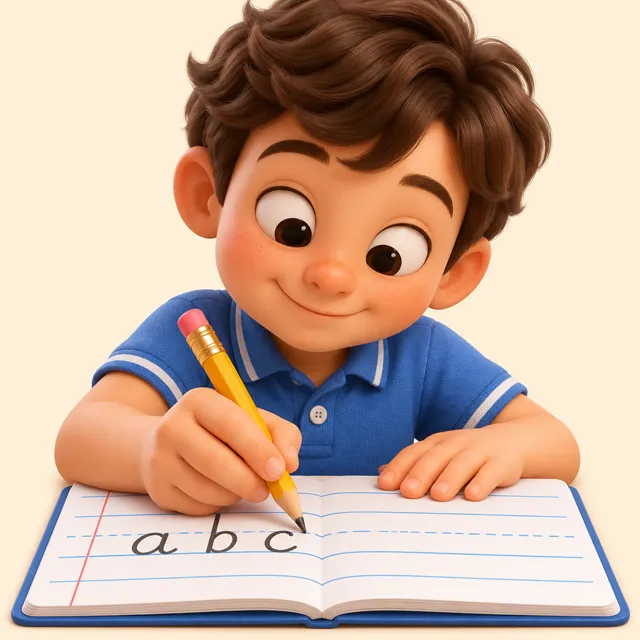
Reception
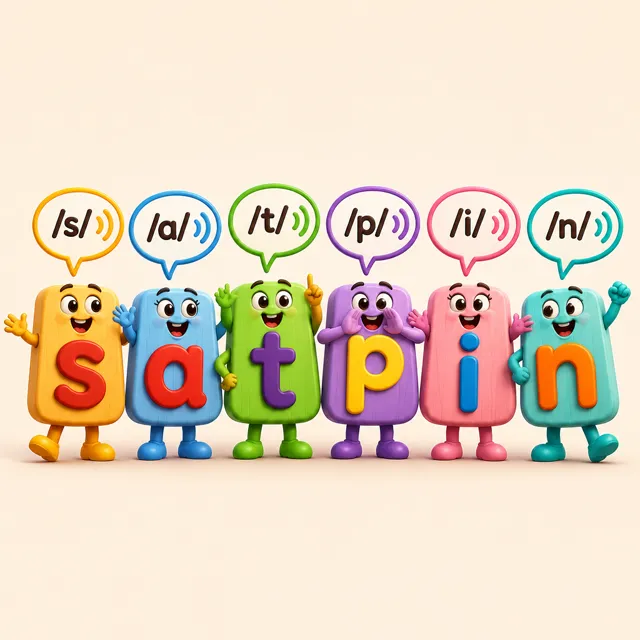
🔤 Phonics: sounds & spellings
- Sounds and their spellings: Hear the sounds in a short word and write a spelling for each sound (single-letter spellings: s a t p i n m d g o c k e u r h b f l j v w x y z).
- Building and reading short words: Segment and spell words with three or four sounds (CVC, CVCC, CCVC) and blend sounds to read them.
- Two letters, one sound: Know that one sound can be spelt with two letters (ss ll ff zz ck, sh ch th) and use these spellings to read and write words.
- More sound teams: ng, qu, wh: Read and spell words with the two-letter spellings ng, qu and wh, and words that end in ng, such as ring and long.
- Longer words with sounds next to each other: Segment and spell words with four or five sounds, where consonant sounds sit next to each other (e.g. stamp, frog, crisp), and blend them to read.
📖 Reading & understanding
- Reading words: Blend sounds to read short words that use known sound-spelling correspondences, and show understanding of what the word means.
- Reading sentences: Read aloud simple sentences made of decodable words and some common exception words (the, I, to, no, is, has), and show understanding.
- Tricky words: Read common exception words such as the, to, I, no, go, he, she, we, me, be, was, my, you, said, they, and use them to read sentences.
- Thinking about a story: Read a short decodable story and answer simple questions about who, what and where, and say what might happen next.
- Finding facts: Read a short information text and find facts in it, knowing that some books tell us true things about the world.
✍️ Writing
- Writing labels: Write words to label pictures, spelling each sound with a letter or letters.
- Writing a sentence: Write a simple dictated sentence with a capital letter, finger spaces between words and a full stop.
- Writing a list: Write a list of words for a purpose (e.g. a shopping list), spelling each sound with a letter or letters and writing each item on a new line.
- My own sentence: Think of a sentence, say it aloud, then write it so others can read it.
- A tiny story: Say and then write two sentences that tell a tiny story in order, with capital letters, finger spaces and full stops.
🖊️ Handwriting
- Long ladder letters: Hold a pencil comfortably and form the 'straight down' letters l i t u j y correctly, starting in the right place.
- Curly caterpillar letters: Form the 'round' letters c a d o g q e s f correctly, starting at the top and going round anticlockwise.
- Bouncy and zigzag letters: Form the 'down and bounce up' letters r n m h b p k and the zigzag letters v w x z, and copy short phrases with finger spaces.
- Capital letters: Form some capital letters correctly, starting at the top, and know that names and sentences start with a capital letter.
Year 1
🔤 Phonics: sounds & spellings
- Two letters, one sound: Read and spell words with the spellings sh, ch, th, ck and ng, including words with sounds next to each other (e.g. lunch).
- The sound /ae/: ai, ay, a-e: Know that the sound /ae/ can be spelt ai, ay and a-e, and choose the right spelling in common words.
- The sound /ee/: ee, ea, e: Know that the sound /ee/ can be spelt ee, ea and e, and spell common words with each spelling.
- The sound /igh/: igh, ie, i-e, y: Know that the sound /igh/ can be spelt igh, ie, i-e and y, and use these spellings to read and write common words.
- The sound /oe/: oa, ow, o-e, oe, o: Know that the sound /oe/ can be spelt oa, ow, o-e, oe and o, and use these spellings to read and write common words.
- The sounds /oo/ and /ue/: oo, ue, u-e, ew: Know that the sound /oo/ (moon) can be spelt oo, ue, u-e and ew, that u-e and ew can also spell /ue/ (cube, new), and that oo can spell the short sound in book.
- The sounds /ar/ and /or/: Know that the sound /ar/ is spelt ar, and that the sound /or/ can be spelt or, ore, aw and au, and use these spellings in words.
- The sounds /ow/ and /oi/: Know that the sound /ow/ can be spelt ow and ou, and the sound /oi/ can be spelt oi and oy, and use these spellings in words.
- The sounds /er/ and /air/: Know that the sound /er/ can be spelt er, ir and ur, and the sound /air/ can be spelt air, are and ear, and use these spellings in words.
📖 Reading & understanding
- Finding answers in a story: Answer simple questions about who, what and where in a story, and put events in order.
- Finding facts and word meanings: Find facts in a simple information text and work out what new words mean using the text.
- How do characters feel?: Work out how a character feels and why, using clues in the story, and predict what might happen next.
- Poems and rhymes: Listen to and read a short poem, find rhyming words, answer questions about it and talk about favourite words.
- Problem, order and what next: Say what the problem is in a story and how it is solved, put the main events in order, and predict what might happen next.
🐝 Spelling
- Tricky words: Spell Year 1 common exception words such as said, was, they, school and friend.
- More than one: -s and -es: Add -s or -es to make plurals, choosing -es when it adds an extra syllable (fox → foxes).
- Adding -ing, -ed and -er: Add the endings -ing, -ed and -er to words where the root word does not change (jump → jumping, jumped).
- Days of the week and more tricky words: Spell the days of the week and more Year 1 common exception words (e.g. school, were, house, our, once, where, your).
- un- and compound words: Add the prefix un- to change a word's meaning (kind → unkind), and join two words to make a compound word (foot + ball → football).
- Bigger, biggest: -er and -est: Add -er and -est to describing words where the root word does not change (quick → quicker → quickest), and use them to compare.
- Tricky consonants: k, ck, tch, ve, nk, ph, wh: Spell /k/ as k before e, i and y, ck after a short vowel, /ch/ as tch after a short vowel, /v/ at the end as ve, /ngk/ as nk, and /f/ and /w/ as ph and wh in some words.
❗ Grammar & punctuation
- Capital letters and stop marks: Write sentences that start with a capital letter and end with a full stop or a question mark.
- Capital letters for names and I: Use capital letters for names of people, places and days of the week, and for the word I.
- Joining with 'and': Join two ideas or two sentences using the joining word 'and'.
- Statements, questions and exclamations: Tell the difference between statements and questions, change a statement into a question, and use question marks and exclamation marks.
- Naming words and doing words: Know that a noun names a person, place or thing and a verb is a doing word; find the subject and verb in a simple sentence; write singular and plural nouns.
- Past or present?: Know that verbs show when something happens; add -ed for the past; keep all the verbs in a sentence in the same tense.
- Joining with 'but' and 'so': Use the joining words (conjunctions) 'but' and 'so' to join two simple sentences into one longer sentence.
✍️ Writing
- Writing a sentence: Say a sentence out loud, then write it down so it makes sense, with a capital letter and full stop.
- First, next, last: Write sentences in the right order using time words first, next and last.
- A story with a beginning, problem and ending: Write a short story with an opening, a problem and an ending, one or two sentences for each part.
- Describing words: Use adjectives (describing words) in sentences to give the reader more detail, and choose synonyms and antonyms for big, small, hot, cold, happy and sad.
- Writing facts: Write a short non-fiction text that gives facts, with a title, a sentence to introduce the topic, a sentence with more detail and a sentence to end.
- Check and fix my writing: Re-read writing to check it makes sense, and fix missing words, capital letters and full stops.
🖊️ Handwriting
- Straight-down letters: Form the letters l, i, t, u, j and y correctly, starting at the top, with tall and tail letters the right size.
- Curly letters: Form the curly letters c, a, d, g, o, q, e, s and f correctly, starting at the top and going round anticlockwise.
- Over-the-top letters and finger spaces: Form the letters r, n, m, h, b, p and k correctly, and leave finger spaces between words in a sentence.
- Zigzag letters: Form the zigzag letters v, w, x and z correctly, with straight diagonal lines, starting at the top.
- Capital letters: Form capital letters correctly, making them taller than most lower-case letters, and use them at the start of sentences and names.
- Writing numbers 0 to 9: Form the digits 0 to 9 correctly, starting in the right place and facing the right way.
Year 2
🔤 Phonics: sounds & spellings
- The sound /er/: er, ir, ur: Know that the sound /er/ can be spelt er, ir and ur, and spell common words with each spelling.
- The sound /oe/: o, oa, ow, o-e: Know that the sound /oe/ can be spelt o, oa, ow and o-e, and choose the right spelling in common words.
- More spellings of /ae/ and /ee/: Know more spellings of the sound /ae/ (ai, ay, a-e, a, ea, eigh, ey) and the sound /ee/ (ee, ea, e, y, ey, ie), and use them to read and spell words.
- More spellings of /igh/ and /oo/: Know the spellings of the sound /igh/ (igh, ie, i-e, y, i) and the sound /oo/ (oo, ue, u-e, ew), and the short /oo/ in book and put, and use them to read and spell words.
- The sounds /or/ and /ar/: Know the spellings of the sound /or/ (or, ore, aw, au, al, a, oor, our) and of /ar/ (ar, and a in words like fast and bath), and use them to spell words.
- The sounds /ow/, /oi/, /air/ and /ear/: Use the spellings of /ow/ (ow, ou), /oi/ (oi, oy), /air/ (air, are, ear, ere) and /ear/ (ear, eer, ere) to read and spell words.
- More ways to spell /s/, /j/, /n/ and /r/: Know that /s/ can be spelt c (city), /j/ can be spelt g (giant), /n/ can be spelt kn or gn (knee, gnat) and /r/ can be spelt wr (write), and use these to spell words.
- Spelling longer words: Split longer words into syllables, say the sounds in each syllable and spell each one.
📖 Reading & understanding
- Finding and ordering story events: Find key details in a story and put the main events in order to retell the plot.
- Facts and word meanings: Find facts in an information text, explain what words mean and put the steps of a process in order.
- Feelings, clues and word choices: Use clues in the story to explain how characters feel and why, explain why the author chose some words, and make predictions.
- Reading poems: Read a poem and talk about its rhymes, verses (stanzas), favourite words and what it means.
- Stories and information books: Tell fiction from non-fiction, use a contents page to find information, say who is telling a story and sum up a text in one sentence.
🐝 Spelling
- The sound /j/ at the end: -dge and -ge: Spell the sound /j/ at the end of words as -dge after a short vowel sound (badge) and -ge after other sounds (huge, large).
- Adding endings: -ing, -ed, -er, -est: Add -ing, -ed, -er and -est to words, knowing when to drop the e, double the last letter or change y to i.
- Words that sound the same: Spell common homophones correctly by using the meaning of the sentence: to/too/two, there/their, see/sea, here/hear, blue/blew.
- The sound /l/ at the end: -le, -el, -al, -il: Spell the sound /l/ at the end of words, using -le most often (table), -el after m, n, r, v, w (tunnel), and -al or -il in some words (animal, pencil).
- Adding -ment, -ness, -ful, -less and -ly: Add the suffixes -ment, -ness, -ful, -less and -ly to root words, changing y to i after a consonant (happy → happiness).
- Year 2 tricky words (part 1): Spell Year 2 common exception words: door, floor, poor, because, find, kind, mind, behind, child, children, wild, climb, most, only, both, old, cold, gold, hold, told, every, everybody, even, great, break, steak, pretty.
- Year 2 tricky words (part 2): Spell Year 2 common exception words: after, fast, last, past, father, class, grass, pass, plant, path, bath, hour, move, prove, improve, sure, sugar, eye, could, should, would, who, whole, any, many, clothes, busy, people, water, again, half, money, Mr, Mrs, parents, Christmas.
❗ Grammar & punctuation
- Four kinds of sentence: Recognise and write statements, questions, commands and exclamations, with the right punctuation.
- Nouns, adjectives, verbs and adverbs: Recognise nouns, adjectives, verbs and adverbs in sentences, and make adjectives and adverbs with suffixes (-ful, -less, -ly).
- Past and present tense: Use verbs in the past and present tense correctly, including the -ing forms (is jumping, was jumping), and keep the same tense all the way through.
- Joining words: and, but, so, because, when, if: Use joining words (conjunctions) to link ideas: and, but, or, so, and because, when, if.
- Commas in lists: Use commas to separate the things in a list, with "and" (or "or") before the last one.
- Apostrophes: short forms and belonging: Use apostrophes for short forms (contractions) like can't and I'm, and to show that something belongs to someone (the dog's bone).
- Speech marks: Find who is speaking in a story and use inverted commas (speech marks) around the words a character says.
✍️ Writing
- Describing with noun phrases: Use expanded noun phrases to describe and specify (the tall, green tree), with a comma between two adjectives.
- Writing a story: Plan and write a short story with an opening, a problem and an ending, using the past tense all the way through.
- Writing instructions: Write clear instructions using bossy verbs (commands), time words and steps in the right order.
- Writing a diary: Write a recount, such as a diary entry, in the first person and the past tense, with events in time order and how you felt.
- Writing an information text: Write a short information text with a heading, an introduction, two points with extra detail and an ending.
- Writing a letter: Know and use the features of a letter: address, date, greeting (Dear …), message and sign-off (Yours sincerely, Yours faithfully or Love from).
- Checking and improving my writing: Re-read writing to check spelling, capital letters, punctuation and tense, and make changes to improve it.
🖊️ Handwriting
- Capital letters the right size: Form capital letters correctly, making them clearly bigger than lower-case letters, and use them in the right places.
- Starting to join: diagonal joins: Join letters with a diagonal join to letters that sit on the line, such as in, an, ai, um.
- Joining up to tall letters: Join letters with a long diagonal join that goes up to a tall letter (ascender), as in th, ch, ck, ll and ah.
- Joining along the top: o, r, v, w: Join from the letters o, r, v and w with a join along the top (ow, oo, ve, wi).
- The right size and even spaces: Write letters the right size compared with each other (short, tall and tail letters) and leave even spaces between words.
Year 3
📖 Reading & understanding
- Finding the answer in a story: Retrieve and record information from a fiction text, answering in full sentences.
- Word meanings and feelings: Explain the meaning of words in context and infer characters' feelings from their actions, giving evidence.
- Reading for facts: Retrieve information from a non-fiction text using headings, explain key vocabulary and tell fact from opinion.
- Poems: rhyme, stanzas and word pictures: Recognise some forms of poetry, identify stanzas and rhyme, and explain how a poet's words create pictures in the reader's mind.
🐝 Spelling
- Prefixes dis-, mis-, re- and in-: Spell words with the prefixes dis-, mis-, re- and in-, knowing that the root word does not change.
- Adding -ly: Add the suffix -ly to make adverbs, using the rules for words ending in y, -le and -ic.
- The sound /i/ spelt y and /u/ spelt ou: Spell words where the sound /i/ is spelt y (gym, myth) and the sound /u/ is spelt ou (young, touch).
- Adding -ing, -ed and -er to longer words: Add suffixes beginning with vowel letters to words of more than one syllable, doubling the final consonant only when the last syllable is stressed (forgetting, beginning, gardening, limited).
- Endings -ture and -sure: Spell words ending in -ture (picture, adventure) and -sure (measure, treasure), listening for the sounds 'cher' and 'zher'.
- The sound 'ae' spelt ei, eigh and ey: Spell words where the sound 'ae' is spelt ei (vein, reign), eigh (eight, weigh, neighbour) and ey (they, obey, grey).
- Tricky words from the Year 3 and 4 list (part 1): Spell words from the statutory Year 3 and 4 word list, noticing the tricky part of each word and using strategies to remember it.
❗ Grammar & punctuation
- A or an?: Use the determiner 'a' or 'an' correctly, depending on whether the next word begins with a consonant sound or a vowel sound.
- Word families: Recognise word families based on a common root word (solve, solution, solver) and use them to understand and spell new words.
- Phrase or clause?: Explain the difference between a phrase and a clause: a clause has a subject and a verb, a phrase does not; identify main clauses in sentences.
- Joining clauses with conjunctions: Use subordinating conjunctions (when, before, after, while, because, if, although) to join a main clause and a subordinate clause.
- Starting with when, where or how: Use adverbials and prepositional phrases at the start of a sentence to say when, where or how, followed by a comma.
- The present perfect tense: Use the present perfect form of verbs (has/have + verb) instead of the simple past, and keep tense consistent in writing.
- Inverted commas for speech: Use inverted commas to punctuate direct speech, with the end punctuation inside the inverted commas.
✍️ Writing
- Paragraphs in a story: Organise a narrative into paragraphs, starting a new paragraph for a new time, place or event.
- Describing with noun phrases and similes: Write descriptions using expanded noun phrases, lists of adjectives with commas, similes and alliteration.
- Writing a letter: Write a letter to a friend or relative using the main features: address, date, greeting, paragraphs and sign-off.
- Writing instructions: Write clear instructions with a title, a list of equipment, numbered steps, imperative (command) verbs and time adverbs.
- Writing a diary recount: Write a recount as a diary entry in the first person and past tense, in time order, including feelings and time adverbials.
- Writing an explanation: Write an explanation text with a heading, subheadings, present tense and conjunctions that explain cause (because, so, when).
🖊️ Handwriting
- Diagonal joins: Use the diagonal join from the baseline to join letters, e.g. in, an, um, ai, it.
- Horizontal joins: Use the horizontal join from letters that finish at the top (o, r, v, w) to the next letter.
- Joined words, the right size: Write joined words and sentences with letters of consistent size, tall ascenders, descenders below the line and even spacing.
- Joining to tall letters: Join letters to tall letters (ascenders) such as l, t, h, k, b and d, keeping the join smooth and the tall letters straight.
Year 4
📖 Reading & understanding
- Reading between the lines: Infer characters' feelings, thoughts and motives from their actions, and justify inferences with evidence from the text.
- The author's word choices: Discuss words and phrases that capture the reader's interest, explain figurative language and how the author creates mood.
- Exploring a non-fiction text: Retrieve, sequence and summarise information from a non-fiction text, using subheadings and telling fact from opinion.
- Predicting and summarising: Predict what might happen from details stated and implied, and summarise the main ideas of paragraphs and whole stories in a few words.
🐝 Spelling
- Endings that sound like 'shun': Spell words ending in -tion, -sion, -ssion and -cian, choosing the spelling from the root word.
- Prefixes: il-, im-, ir-, sub-, inter- and auto-: Spell words with the prefixes in-, il-, im-, ir-, sub-, inter-, super-, anti- and auto-, and explain their meanings.
- Homophones: Spell and choose the correct homophone in a sentence (e.g. hear/here, peace/piece, break/brake, whose/who's).
- The suffix -ous: Add the suffix -ous to make adjectives (poisonous, famous, various, humorous, courageous), knowing when the root word changes.
- Endings -ation and -sion: Add the suffix -ation to verbs to make nouns (information, preparation), and spell words where 'zhun' is spelt -sion (division, television).
- Words from Greek and French: Spell words where /k/ is spelt ch (chorus, scheme), /sh/ is spelt ch (chef, machine), /g/ is spelt gue and /k/ is spelt que (league, unique), and /s/ is spelt sc (science).
- Tricky words from the Year 3 and 4 list (part 2): Spell more words from the statutory Year 3 and 4 word list, using syllables, root words and memory tricks for the tricky parts.
❗ Grammar & punctuation
- Determiners: Identify and use determiners (a, an, the, this, that, these, those, some, my, every, numbers) before nouns.
- Fronted adverbials: Use fronted adverbials, including -ing openers, followed by a comma, to vary sentences.
- Apostrophes for possession: Use apostrophes to show possession with singular nouns, regular plurals and irregular plurals.
- Possessive pronouns: Use possessive pronouns (mine, yours, his, hers, its, ours, theirs) to show who owns something and avoid repetition, without apostrophes.
- Standard English and pronouns: Use Standard English verb forms (we were, I did) and choose nouns or pronouns to make writing clear and avoid repetition.
- Speech with a reporting clause: Punctuate direct speech with the reporting clause before or after the spoken words, using commas, inverted commas and end punctuation correctly.
✍️ Writing
- Writing dialogue in a story: Write dialogue that is correctly punctuated, with a new line for each new speaker and well-chosen speech verbs and adverbs.
- Building descriptions: Write descriptions using expanded noun phrases with prepositional phrases, powerful verbs and fronted adverbials to create mood.
- Writing a report: Write a non-chronological report with a title, subheadings and paragraphs that each begin with a topic sentence, using the present tense.
- Writing an advert: Write a persuasive advert using a slogan, the rule of three (tricolon), rhetorical questions, imperative verbs and exciting adjectives.
- Writing a biography: Write a biography (recount of a real person's life) in the third person and past tense, in time order, with dates and an introduction and conclusion.
- Story problems and solutions: Plan and write a narrative with a clear problem (conflict) that the main character faces and a resolution, organised into paragraphs.
🖊️ Handwriting
- Tricky joins: Join tricky letter pairs accurately, including horizontal joins into e and joins from r, v and w.
- Even size and spacing: Write joined handwriting with consistent letter size, parallel downstrokes and even spacing between letters and words.
- Fluent, neat and quick: Write longer sentences in fluent joined handwriting, including capital letters and punctuation at the right size.
- Joining f, s and qu: Join the letters f, s and qu accurately in words, keeping the letters the correct size and shape.
Year 5
📖 Reading & understanding
- Retrieve and find evidence: Retrieve key details from a story and find and copy words or phrases as evidence.
- Word meanings and reading between the lines: Explain the meaning of words in context and draw inferences about characters' feelings and actions, justified with evidence.
- Non-fiction: facts, opinions and summaries: Distinguish between fact and opinion, explain how a non-fiction text is organised and summarise main ideas.
- Poetry: imagery, mood and theme: Explain how a poet uses figurative language (simile, metaphor, personification) and weather to create mood, and identify the theme of a poem with evidence.
🐝 Spelling
- Endings: -cious, -tious, -cial, -tial: Spell words ending in the sounds /shus/ and /shul/, spelt -cious, -tious, -cial and -tial.
- Endings: -ant, -ance, -ent, -ence: Spell words ending in -ant, -ance, -ancy, -ent, -ence and -ency, using related words to choose the spelling.
- Homophones and near-homophones: Spell and use correctly homophones and other words that are often confused, from the Year 5 and 6 list.
- Endings -able, -ible, -ably and -ibly: Spell words ending in -able and -ible (and -ably, -ibly), choosing the ending using the root word.
- ie or ei? The 'after c' rule: Spell words with ei after c when the sound is /ee/ (receive, ceiling) and ie elsewhere (field, believe), knowing some exceptions (seize, protein).
- Spellings with kn, mb, bt, mn and st: Spell words where one sound is spelt with two letters we might not expect, e.g. /n/ spelt kn, /m/ spelt mb or mn, /t/ spelt bt, /s/ spelt st (knight, lamb, autumn, doubt, whistle).
- Tricky words from the Year 5 and 6 list (part 1): Spell words from the statutory Year 5 and 6 word list, using syllables, root words and memory strategies.
❗ Grammar & punctuation
- Relative clauses: Identify and write relative clauses beginning with who, which, where, when, whose or that.
- How likely? Modal verbs and adverbs: Use modal verbs and adverbs to show degrees of possibility, certainty and obligation.
- Parenthesis: brackets, dashes and commas: Use brackets, dashes or commas to indicate parenthesis.
- Making verbs with -ate, -ise, -ify and -en: Convert nouns or adjectives into verbs using the suffixes -ate, -ise, -ify and -en (activate, apologise, purify, sharpen).
- Verb prefixes: dis-, de-, mis-, over- and re-: Use the prefixes dis-, de-, mis-, over- and re- to change the meaning of verbs, and explain what each prefix means.
- Commas to make meaning clear: Use commas to clarify meaning and avoid ambiguity, including after fronted adverbials and subordinate clauses and when addressing someone.
✍️ Writing
- Linking ideas across paragraphs: Build cohesion within and across paragraphs using adverbials of time, place and number.
- Describing settings and characters: Describe settings and characters using expanded noun phrases, figurative language and ‘show, not tell’.
- Persuasive writing: Write a persuasive text using a clear viewpoint, reasons, rhetorical questions and emotive language.
- Writing a newspaper report: Write a newspaper report with a headline, an opening paragraph that answers who, what, where and when, the past tense, and direct and reported speech from witnesses.
- Dialogue that moves the story on: Integrate dialogue in narratives to convey character and advance the action, using varied reporting verbs and actions between speech.
- Proof-reading and editing: Proof-read and edit writing to correct tense, subject–verb agreement, spelling and punctuation, and improve vocabulary for effect.
Year 6
📖 Reading & understanding
- Retrieval and word meaning: Retrieve and record precise information and explain the meaning of words and phrases in context.
- Inference and prediction: Infer characters' feelings, thoughts and motives from their actions, justify inferences with evidence and predict what might happen.
- Non-fiction: summarise, sequence and evaluate: Summarise main ideas, sequence information, distinguish fact from opinion and explain how a writer's choices affect the reader.
- Comparing poems: Compare two poems on the same subject, explaining how language, structure and form create different moods, with evidence from both.
🐝 Spelling
- The spelling ‘ough’: Spell words containing the letter string ‘ough’, which can represent several different sounds.
- Adding suffixes to words ending in -fer: Add suffixes beginning with vowel letters to words ending in -fer, deciding whether to double the r.
- Noun or verb? practice/practise, advice/advise: Distinguish and spell word pairs where the noun ends in -ce and the verb ends in -se (practice/practise, advice/advise, licence/license, device/devise).
- Hyphens with prefixes: Use hyphens to join a prefix to a root word, especially when the prefix ends in a vowel letter and the root word begins with one (co-ordinate, re-enter), and when a hyphen changes the meaning (re-sign, resign).
- More homophones and confusing words: Spell and use correctly homophones and near-homophones from the Year 5 and 6 list, such as desert/dessert, stationary/stationery, principal/principle and precede/proceed.
- Tricky words from the Year 5 and 6 list (part 2): Spell more words from the statutory Year 5 and 6 word list, explaining the strategies used for tricky parts.
❗ Grammar & punctuation
- Subject and object: Identify the subject and object of a sentence, use subject and object pronouns correctly, and explain how the object becomes the subject in the passive voice.
- Active and passive voice: Identify and use the active and passive voice, and explain how the passive changes the focus of a sentence.
- The subjunctive and formal language: Recognise and use the subjunctive form and vocabulary and structures that are appropriate for formal writing.
- Synonyms and antonyms: Use synonyms (words with similar meanings) and antonyms (words with opposite meanings) to vary vocabulary and choose the most precise word.
- Semi-colons, colons and dashes: Use semi-colons, colons and dashes to mark the boundary between independent clauses, and a colon to introduce a list.
- Lists: colons, semi-colons and bullet points: Use a colon to introduce a list, semi-colons within lists of longer items, and bullet points punctuated consistently.
- Hyphens to avoid ambiguity: Use hyphens in compound adjectives and other words to avoid ambiguity (a man-eating shark, a well-known author, re-cover / recover).
✍️ Writing
- Formal letters: Write a formal letter, selecting vocabulary and grammar suited to the audience and purpose, including the passive voice and the subjunctive.
- Balanced arguments: Write a balanced discussion that presents both sides of an issue, using cohesive devices and a reasoned conclusion.
- Building suspense in a story: Write narrative that builds suspense, using varied sentence lengths, ellipsis, the passive voice and dialogue that moves the action on.
- Writing an explanation: Write a formal explanation text using a clear sequence of causes and effects, causal conjunctions and adverbials, the present tense and passive voice, technical vocabulary and layout devices.
- Précis: summing up in fewer words: Précis longer passages: identify the main ideas, cut unnecessary detail and rewrite them concisely in your own words within a word limit.
- Writing a diary in role: Write a diary entry in role as a character or historical figure, using an informal style, the first person, a mix of tenses for reflection, and thoughts and feelings.
Questions from parents
Why does my child write on paper instead of tapping answers?
Writing by hand is how children remember. Tapping a choice lets them guess; writing shows what they really know, and builds handwriting and setting out work. You take one photo of the page and Teacher Hope marks it.
What happens to the photos?
The photo is sent once to our AI marking service, marked, and then thrown away. We never store photos. Only the marks and Teacher Hope's short notes are saved, under a made-up nickname. Please photograph only the page, not your child.
My child is in Year 4 but finds some topics hard. Will they be stuck on Year 4 work?
No. The friendly test finds the starting point in each topic separately. If fractions need Year 2 work but number is fine, fractions start at Year 2 and number at Year 4. You choose: fill the gaps first, mix gaps with year-group lessons, or only follow the year group.
What does it follow?
The National Curriculum for England, in the order many schools teach it: small steps, concrete objects and pictures before numbers (maths), and a sounds-first phonics approach with grammar taught through writing (English). It covers phonics (sounds and spellings), reading and understanding, spelling, grammar and punctuation, writing and handwriting.
How do we send the photo from a computer?
Every worksheet shows its own QR code. Scan it with a phone, take one photo of the page and send it: Teacher Hope marks it and the marks appear on the computer straight away. Each code belongs to one child and one page and works once, so photos never get mixed up, even when many children send work at the same time.
Who marks the work?
Teacher Hope marks every answer from the photo: right, nearly or not yet, with a short note on each one, a score, and one thing to practise next. You can see every marked page on the grown-ups panel.
Is it free?
Yes. A grown-up signs in with Google to save progress, then makes a profile for each child (up to 6).
More learning · Maths · Piano · Parents